how to diagnose type 1 diabetes vs type 2 Broad jiva
Type 1 and Type 2 diabetes are two common types of diabetes, which affect millions of people worldwide. While they both involve issues with insulin and blood sugar levels, there are some significant differences between the two. In this article, we will explore the key similarities and differences between Type 1 and Type 2 diabetes, helping you better understand these conditions.
- Type 1 Diabetes:
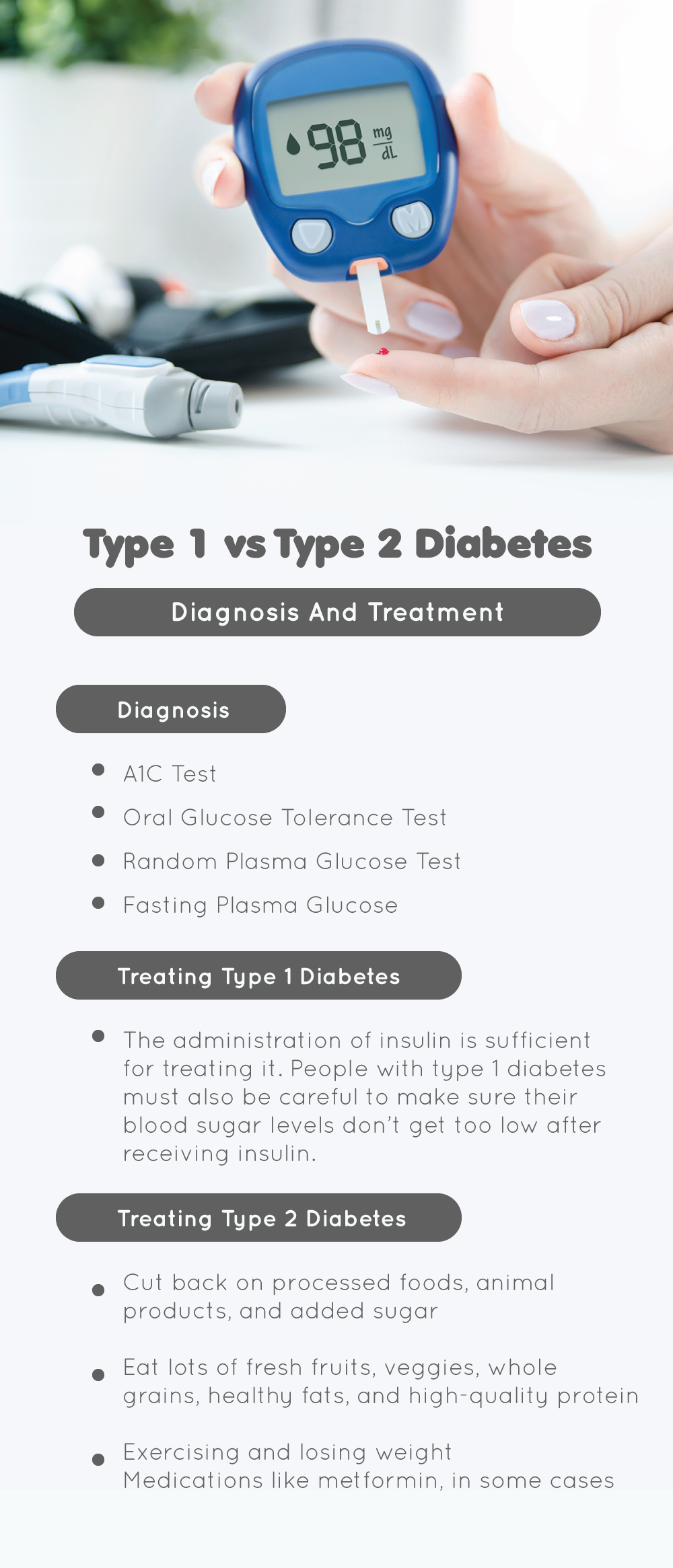 Type 1 diabetes, also known as insulin-dependent diabetes, is an autoimmune disease. It occurs when the immune system mistakenly attacks and destroys the insulin-producing cells in the pancreas. As a result, the body cannot produce enough insulin, leading to an imbalance in blood sugar levels.
This type of diabetes is usually diagnosed in childhood or early adulthood, and it requires lifelong insulin therapy. Individuals with Type 1 diabetes need to regularly monitor their blood sugar levels and administer insulin injections or use an insulin pump to manage their condition.
2. Type 2 Diabetes: 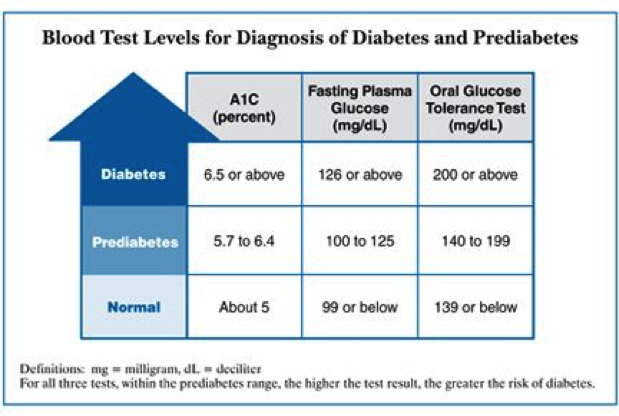
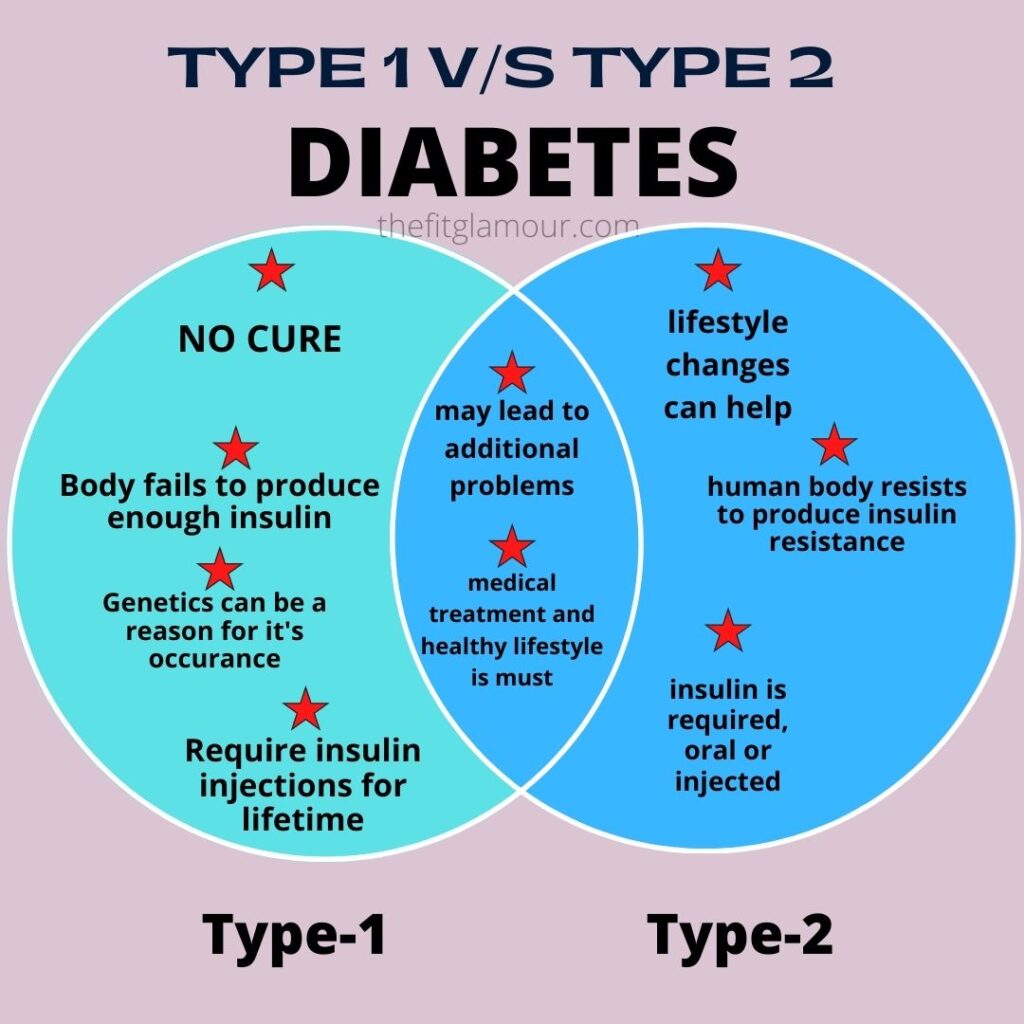
Type 2 diabetes, on the other hand, is characterized by insulin resistance. This means that the body’s cells become less responsive to insulin, resulting in elevated blood sugar levels. Type 2 diabetes is typically diagnosed in adulthood and is often associated with lifestyle factors such as poor diet, lack of physical activity, and obesity.
While lifestyle changes, such as adopting a healthy diet and exercising regularly, are important in managing Type 2 diabetes, some individuals may require oral medications or insulin therapy to control their blood sugar levels. Unlike Type 1 diabetes, where insulin is always necessary, Type 2 diabetes treatment options may vary from person to person.
Similarities:
Despite their differences, there are some similarities between Type 1 and Type 2 diabetes:
- Chronic condition: Both Type 1 and Type 2 diabetes are chronic conditions that require ongoing management and care.
- Increased blood sugar levels: Both types of diabetes lead to high blood sugar levels. If left uncontrolled, this can lead to various health complications over time.
- Risk factors: Both Type 1 and Type 2 diabetes have certain risk factors, including family history, genetics, and certain lifestyle choices.
Conclusion:
In summary, while Type 1 and Type 2 diabetes may share some similarities, they are distinct conditions with different causes and treatment approaches. Type 1 diabetes is an autoimmune disease that requires lifelong insulin therapy, while Type 2 diabetes is primarily associated with lifestyle factors and can often be managed through lifestyle changes alone or with the help of oral medications.
If you suspect that you or someone you know may have diabetes, it is essential to consult a healthcare professional for proper diagnosis and guidance. Remember, early detection and proactive management are crucial in maintaining good health and minimizing the risk of long-term complications associated with diabetes.
If you are searching about Type 1 vs. Type 2 Diabetes: Diagnosis, Treatment, and Symptoms | Milk you’ve came to the right page. We have 5 Pictures about Type 1 vs. Type 2 Diabetes: Diagnosis, Treatment, and Symptoms | Milk like Difference between Type 1 and Type 2 Diabetes and their common symptoms, Type 2 Diabetes- Symptoms, Causes, and Treatment - The Fit Glamour and also Type 2 Diabetes- Symptoms, Causes, and Treatment - The Fit Glamour. Here you go:
Type 1 Vs. Type 2 Diabetes: Diagnosis, Treatment, And Symptoms | Milk
 www.milkandhoneynutrition.comsymptoms differences
Difference Between Type 1 And Type 2 Diabetes And Their Common Symptoms
 store.jiva.combroad jiva
A Comparison Between Type 1 And Type 2 Diabetes | Fatty Liver Disease
fattyliverdisease.comtype diabetes vs diagnosis bottom line
Type 2 Diabetes- Symptoms, Causes, And Treatment - The Fit Glamour
 thefitglamour.comsugar levels
Type 2 Diabetes - Intro - Medivizor
medivizor.comdiabetes diagnosis type prediabetes medivizor random a1c glucose dl test plasma
Diabetes diagnosis type prediabetes medivizor random a1c glucose dl test plasma. Difference between type 1 and type 2 diabetes and their common symptoms. Sugar levels