what is the longest phase of mitosis What is the first phase of mitosis is called?
In the field of biology, one of the most fascinating and fundamental processes that occurs in living organisms is called mitosis. Mitosis is a type of cell division that plays a crucial role in growth, development, and the repair of damaged tissues. It is a highly precise and well-orchestrated process that ensures the accurate distribution of genetic material to daughter cells. Let’s take a closer look at the stages of mitosis and their significance.
The First Phase: Prophase
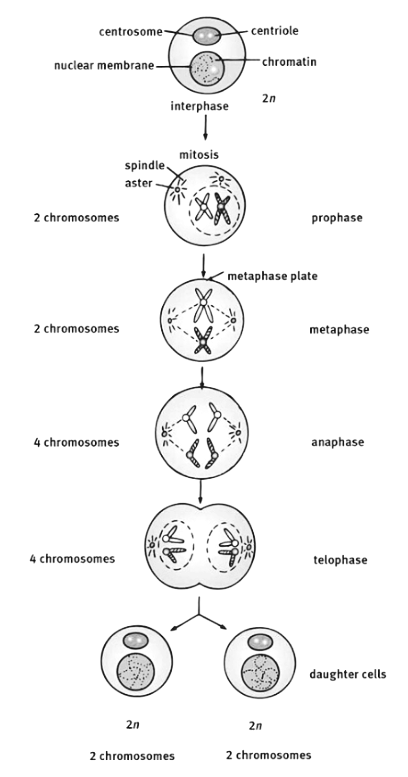
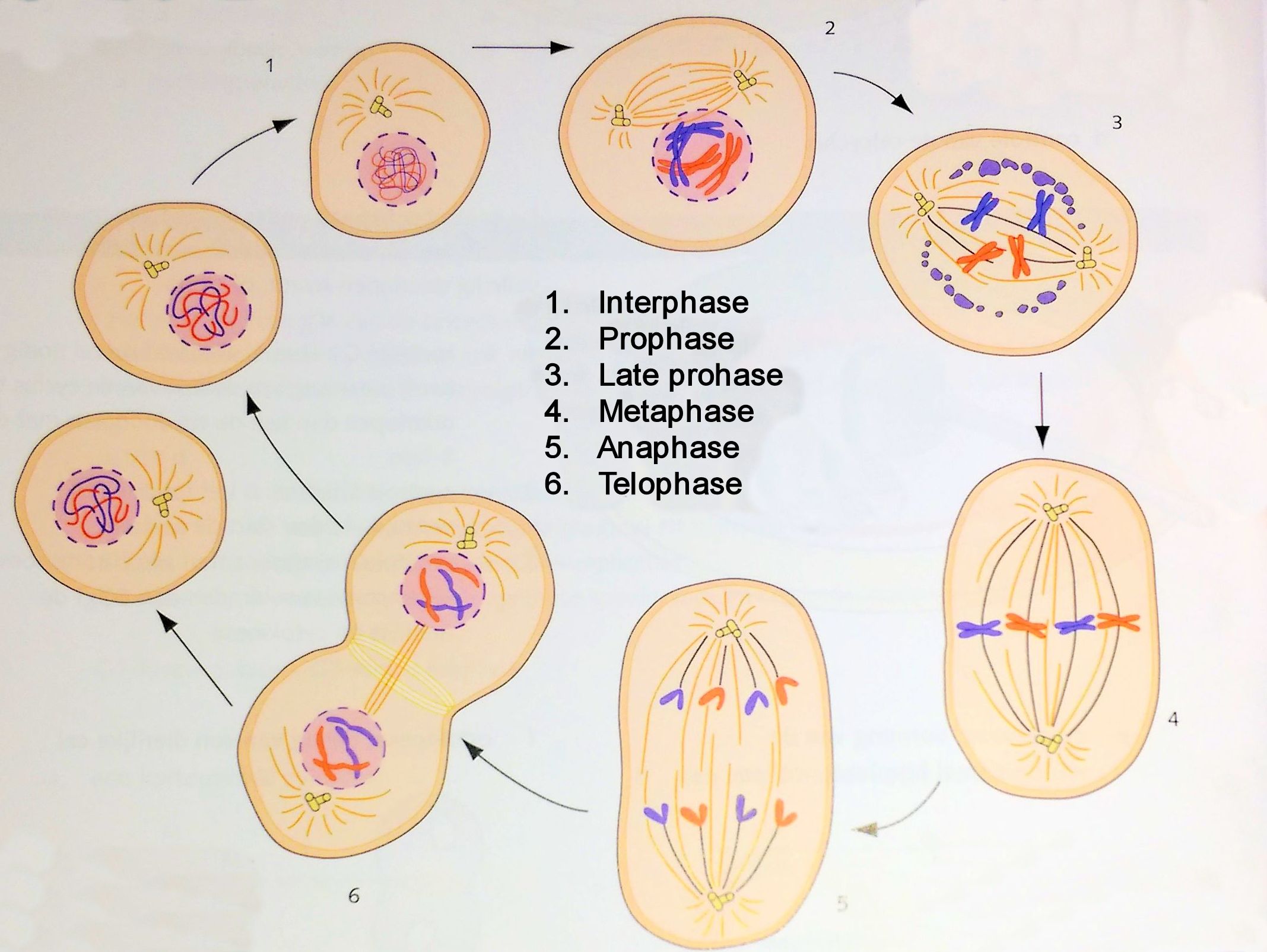 One of the initial stages of mitosis is called prophase. During prophase, the condensation of chromatin occurs. Chromatin, which is the complex of DNA and proteins, becomes tightly coiled and condensed to form visible structures called chromosomes. These chromosomes contain the genetic information necessary for the proper functioning of the cell.
The condensation of chromatin allows for the efficient movement of chromosomes during later stages of mitosis. Additionally, during prophase, the nuclear envelope, which surrounds the nucleus, begins to disintegrate. This breakdown of the nuclear envelope facilitates the interaction between chromosomes and the cellular machinery responsible for their division.
The Second Phase: Metaphase
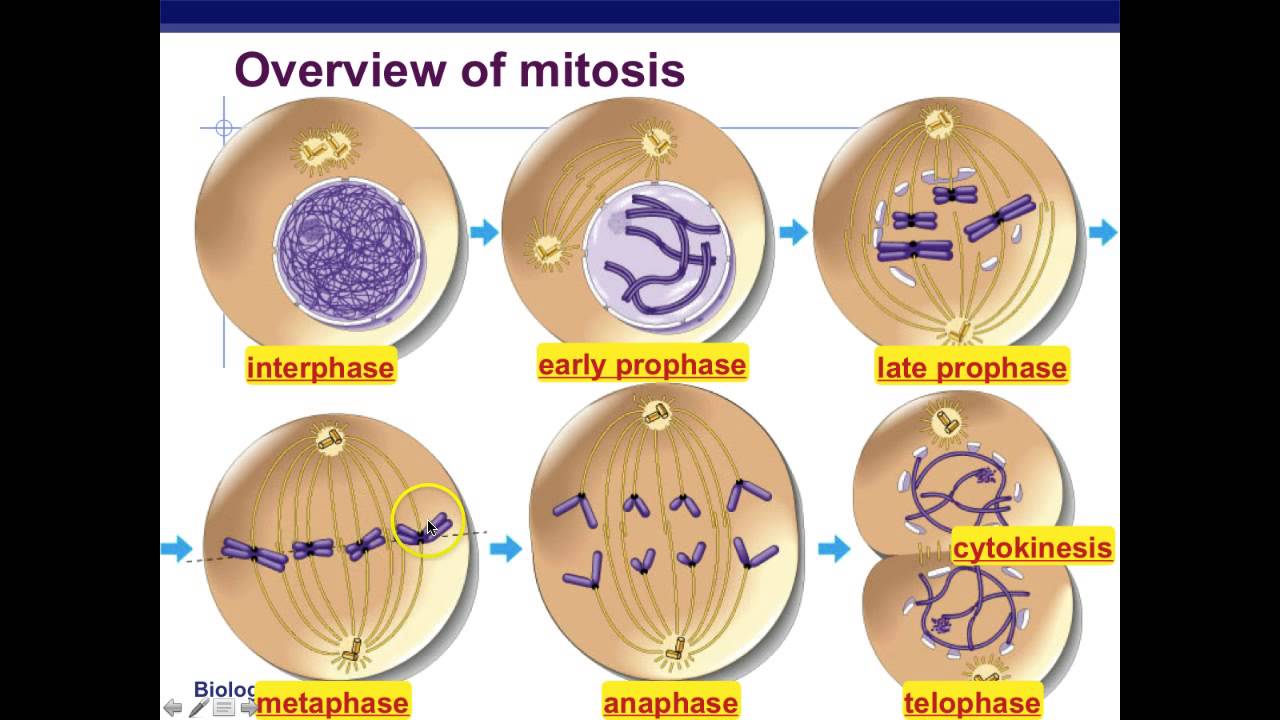 Following prophase, the cell progresses into metaphase. In this phase, the chromosomes align themselves in the middle of the cell along an imaginary structure called the metaphase plate. The alignment is critical for ensuring the accurate distribution of genetic material to the daughter cells.
Metaphase is regulated by a complex series of molecular mechanisms that guarantee the correct alignment of each chromosome. If any errors occur during metaphase, such as improper attachment or alignment, it can lead to the formation of cells with abnormal chromosome numbers, a condition known as aneuploidy. Aneuploidy can have severe developmental consequences and is often associated with various diseases, including cancer.
The Third Phase: Anaphase
Anaphase follows metaphase and is characterized by the separation of sister chromatids. The sister chromatids, which are the replicated copies of each chromosome, are drawn towards opposite poles of the cell. This process ensures that, in the end, each daughter cell receives an identical set of genetic material.
The movement of sister chromatids during anaphase is facilitated by microtubules, which are dynamic filamentous structures that form the mitotic spindle. The mitotic spindle helps in the proper organization and alignment of chromosomes, ensuring their accurate distribution to daughter cells.
The Final Phase: Telophase and Cytokinesis
As anaphase concludes, the cell enters into telophase, the final stage of mitosis. During telophase, the chromosomes reach their respective poles, and the nuclear envelope begins to reform around each set of chromosomes. This process marks the reestablishment of individual nuclei in the daughter cells.
Closely following telophase is cytokinesis. Cytokinesis involves the physical separation of the two daughter cells, resulting in the formation of two distinct cells with identical genetic material. The division of cytoplasmic components, including organelles and cytoplasmic fluids, completes the process of cell division.
In summary, mitosis is a highly regulated and intricate process that ensures the accurate distribution of genetic material to daughter cells. The first phase, prophase, is characterized by the condensation of chromatin and the breakdown of the nuclear envelope. The second phase, metaphase, involves the alignment of chromosomes, while anaphase facilitates the separation of sister chromatids. Finally, telophase and cytokinesis lead to the formation of two daughter cells. Understanding the stages of mitosis and their significance is essential for comprehending the mechanisms underlying growth, development, and tissue regeneration in living organisms.
If you are looking for Mitosis: mitotic cell division, stages and significance - Online you’ve came to the right page. We have 5 Images about Mitosis: mitotic cell division, stages and significance - Online like Longest phase of Mitosis, Mitosis: mitotic cell division, stages and significance - Online and also Longest phase of Mitosis. Read more:
Mitosis: Mitotic Cell Division, Stages And Significance - Online
www.onlinebiologynotes.commitosis cell division stages mitotic interphase cycle growth significance biology cytokinesis notes onlinebiologynotes
Riena’s Science Blog: Onion Mitosis Lab
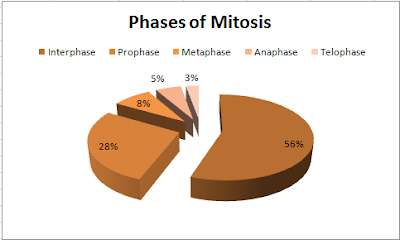 rienascienceisb.blogspot.commitosis onion phase time each phases spent lab bar riena science graphs
Longest Phase Of Mitosis
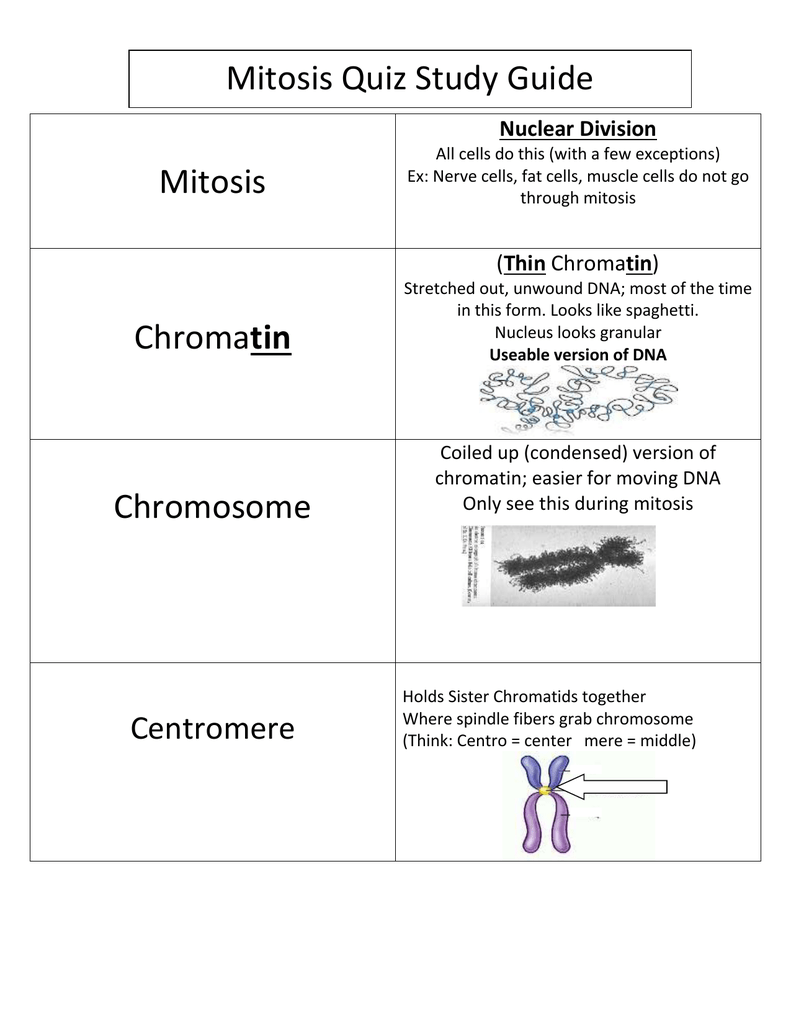 studylib.netmitosis longest phase quiz
What Is The First Phase Of Mitosis Is Called? | Socratic
socratic.orgmitosis phase first called interphase process cells socratic below processes
The Longest Phase Of Mitosis Is A Prophase B Metaphase Class 11 Biology
 www.vedantu.commitosis longest prophase metaphase hence
Mitosis: mitotic cell division, stages and significance. Mitosis onion phase time each phases spent lab bar riena science graphs. Mitosis phase first called interphase process cells socratic below processes